




Introduction
When comparing matcha vs coffee, one of the biggest questions people ask is which drink provides better energy.
Coffee is often the go-to morning drink for a quick caffeine boost, while matcha has become increasingly popular as an alternative that provides more balanced energy and focus.
But does matcha contain caffeine? Is matcha stronger than coffee? And why do many people switch from coffee to matcha?
Let's take a closer look.
Does Matcha Contain Caffeine?
Yes, matcha naturally contains caffeine.
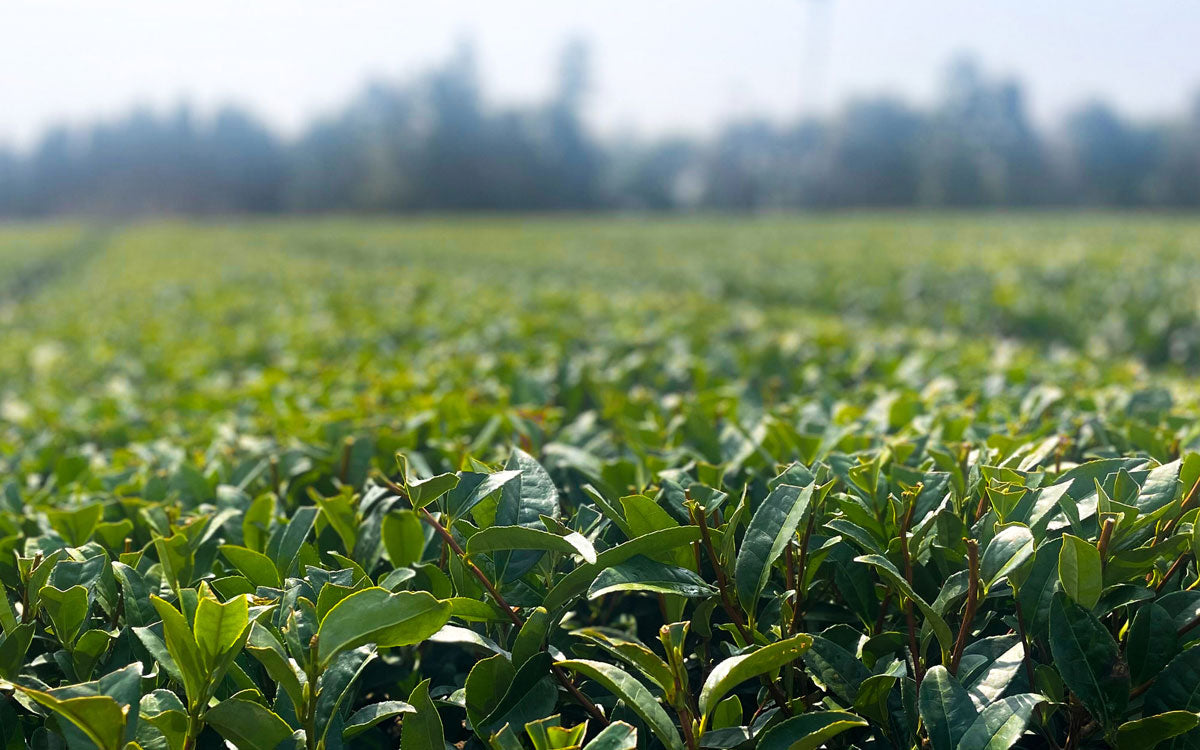
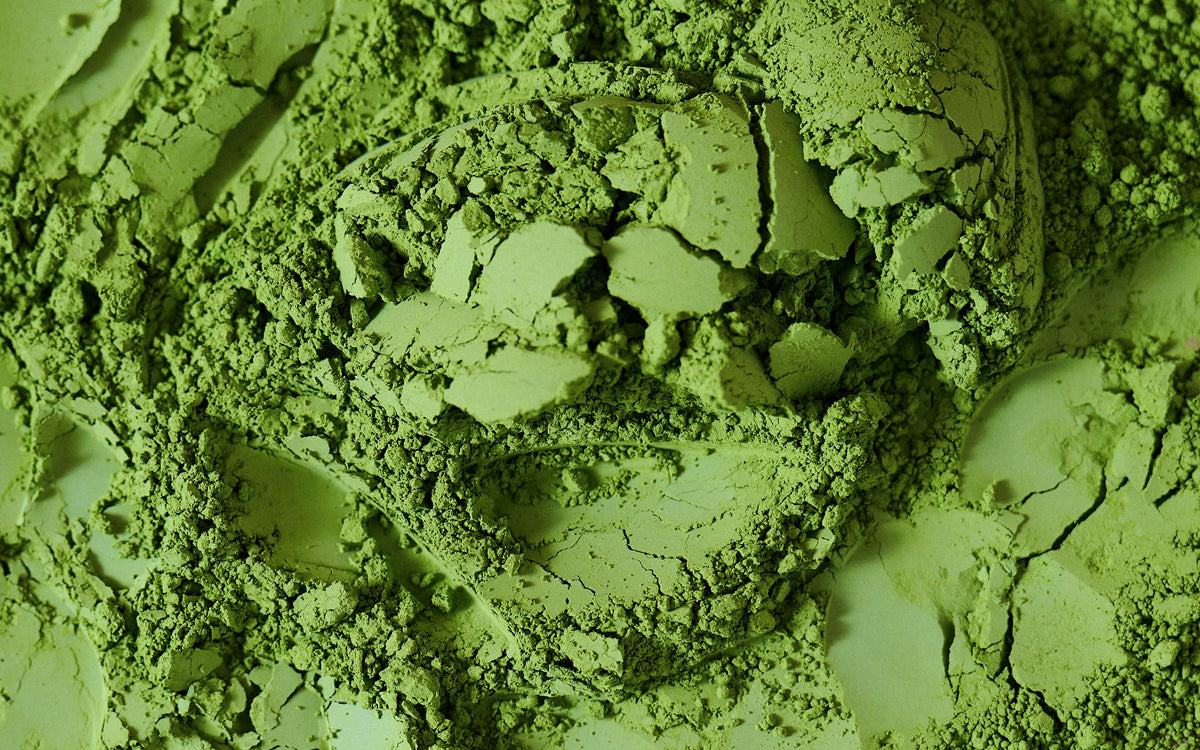
Because matcha is made from whole ground green tea leaves, you consume the entire leaf rather than simply steeping it in water. As a result, matcha contains more caffeine than traditional green tea.
A typical 1g serving of OMGTea matcha contains approximately 34mg of caffeine. While the exact amount varies depending on grade and serving size, matcha is considered a moderate source of caffeine.
Matcha vs Coffee: Caffeine Comparison
One of the most common questions is: Is Matcha Stronger Than Coffee?
In terms of caffeine content alone, coffee usually contains more caffeine per serving.
A typical cup of coffee contains roughly 80-100mg of caffeine, while a standard serving of matcha generally contains less (approximately 34mg).
However, caffeine content is only part of the story.
Many people report that matcha feels stronger than coffee because of the way it affects focus, concentration and energy levels.
Why Does Matcha Feel Different From Coffee?
The key difference between matcha and coffee is the naturally occurring amino acid L-theanine. L-theanine is found in abundance in quality matcha and works alongside caffeine to create a unique combination of calm alertness and focus.
While caffeine stimulates the nervous system, L-theanine promotes alpha brain wave activity associated with a relaxed but alert mental state. This combination is one of the reasons Buddhist monks traditionally drank matcha during long periods of meditation.
Matcha vs Coffee: The Caffeine Experience
Coffee is often associated with a rapid boost in energy. Many people experience:
- A quick increase in alertness
- Increased stimulation
- An afternoon slump
- A noticeable caffeine crash
Matcha works differently. The combination of caffeine and L-theanine can result in:
- More sustained energy
- Improved concentration
- Greater mental clarity
- Fewer feelings of jitteriness
This is why many people choose matcha as an alternative to coffee when looking for energy that lasts throughout the day.
Matcha vs Coffee for Focus and Productivity
One of the most frequently reported benefits of matcha is improved focus. Participants in the OMGTea Matcha Challenge frequently reported experiencing "Sharper focus and longer-lasting energy." Because matcha combines caffeine with L-theanine, many people find it easier to concentrate on tasks without feeling overstimulated.
For those who spend long hours working, this balanced form of energy can be particularly appealing.
Does Matcha Make You Poop?
Another common question is: Does Matcha Make You Poop?
The answer is: it can.
Like coffee, matcha contains caffeine, which may stimulate digestion in some people.
However, individual experiences vary and many people find matcha gentler on their digestive system than coffee.
If you're interested in the digestive effects of matcha, read our full guide: Does matcha make you poop?
Frequently Asked Questions
- Does matcha contain caffeine? Yes. Matcha naturally contains caffeine because it is made from finely ground green tea leaves.
- Is matcha stronger than coffee? Coffee typically contains more caffeine per serving, but many people find matcha provides longer-lasting and more balanced energy.
- Matcha vs coffee: which is healthier? Both drinks have benefits. Matcha contains antioxidants and L-theanine, while coffee is rich in its own beneficial plant compounds. The best choice depends on your personal preferences and goals.
- Does matcha make you poop? Matcha can stimulate digestion in some people due to its caffeine content. For a full explanation, see our dedicated guide on matcha and digestion.
- Why do people switch from coffee to matcha? Many people switch because they enjoy the sustained energy, mental clarity and reduced likelihood of experiencing jitters or energy crashes.