
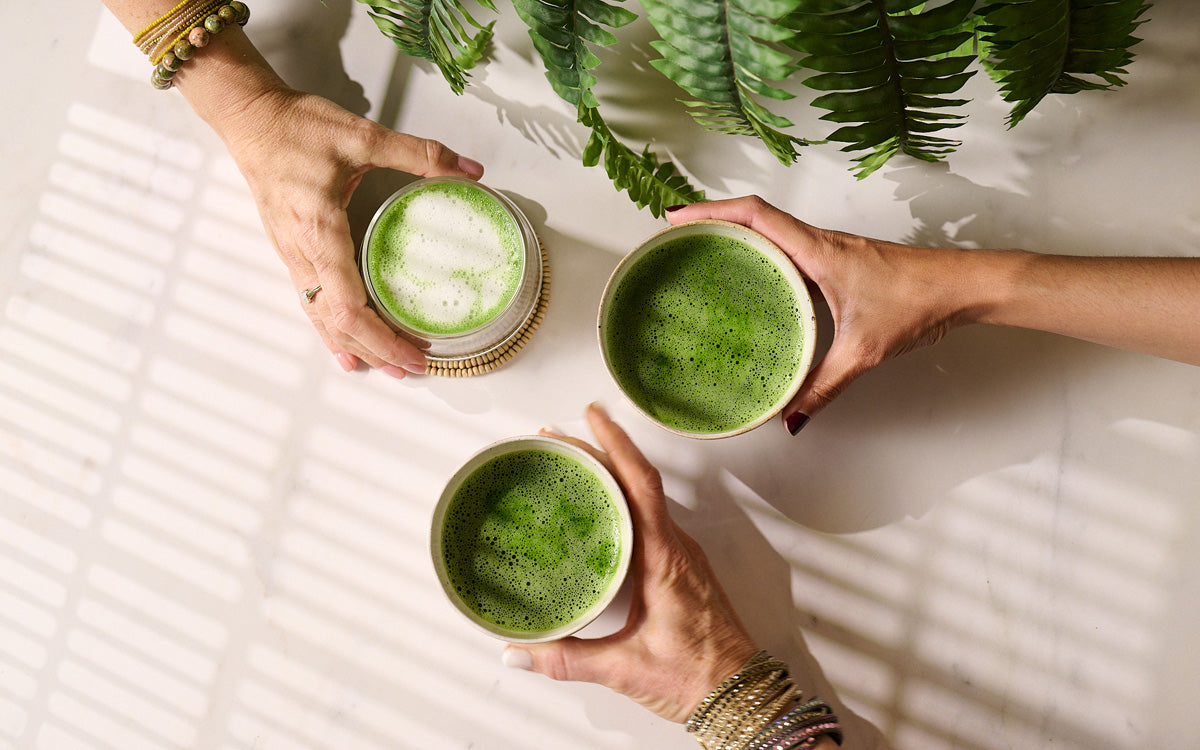




We've been matcha lovers for years, but with matcha's recent explosion in popularity we wanted to delve deeper into the driving forces behind it.
At a recent coffee festival, we surveyed hundreds of visitors to find out what's shaping people's drinking habits today.
The results were fascinating, but a handful of results stood out. Let's take a closer look.
65% drink matcha regularly
More people than ever are swapping the quick caffeine fix for something a little more balanced.
The true benefits of matcha come from consistency. We believe that consuming matcha daily is a simple way to do something positive for your health and well-being and the best way to experience the many benefits quality matcha has to offer.
In fact, the OMGTea Matcha Challenge was born to encourage daily matcha consumption- a small, mindful changes that we've seen have a big impact and the results speak for themselves!
69% are willing to pay more for quality.
So what does quality really mean when it comes to matcha? Colour, flavour and aroma are often good indicators of quality, but matcha quality begins long before the final product.
Three key matcha quality indicators:
- Japanese origin- Authentic, high-grade matcha with its signature sweet umami flavour profile is historically and culturally tied to regions like Kagoshima, Uji and Shizuoka in Japan.
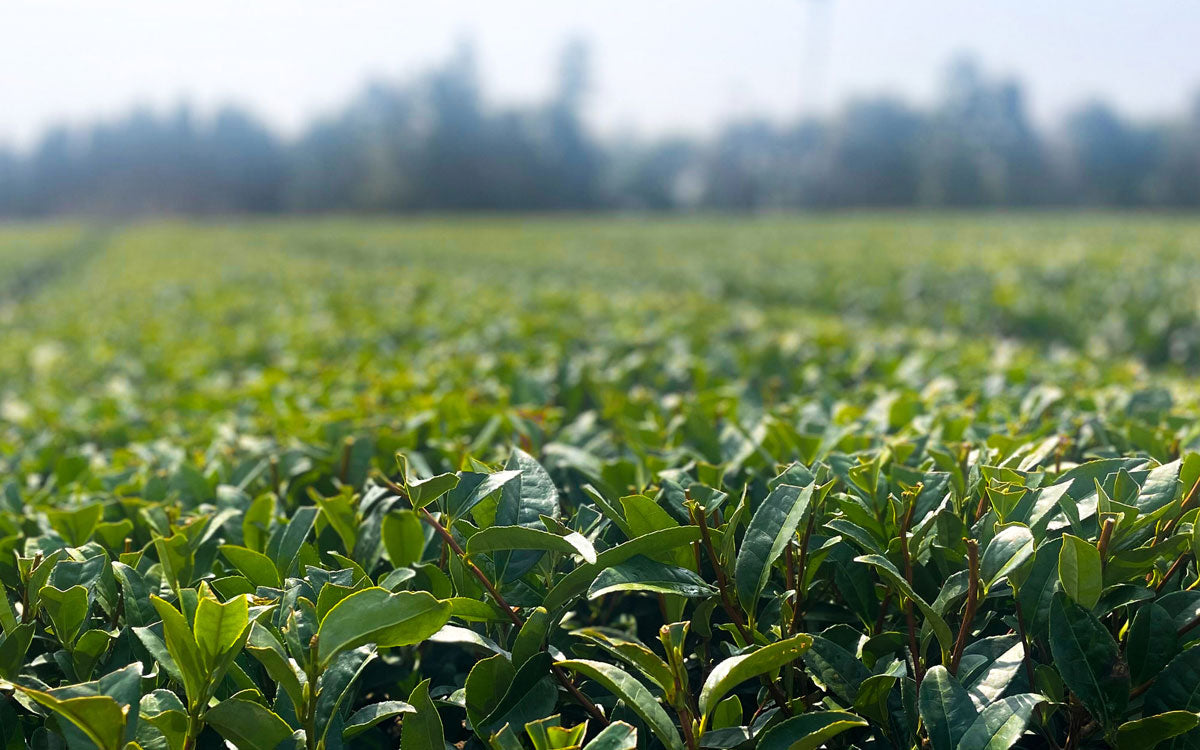
- Shade grown leaves- Tea leaves grown for Matcha are shaded with bamboo three to four weeks before harvesting. This process boosts the nutrient levels of matcha to extraordinary levels, with the leaves becoming packed with chlorophyll and amino acids.
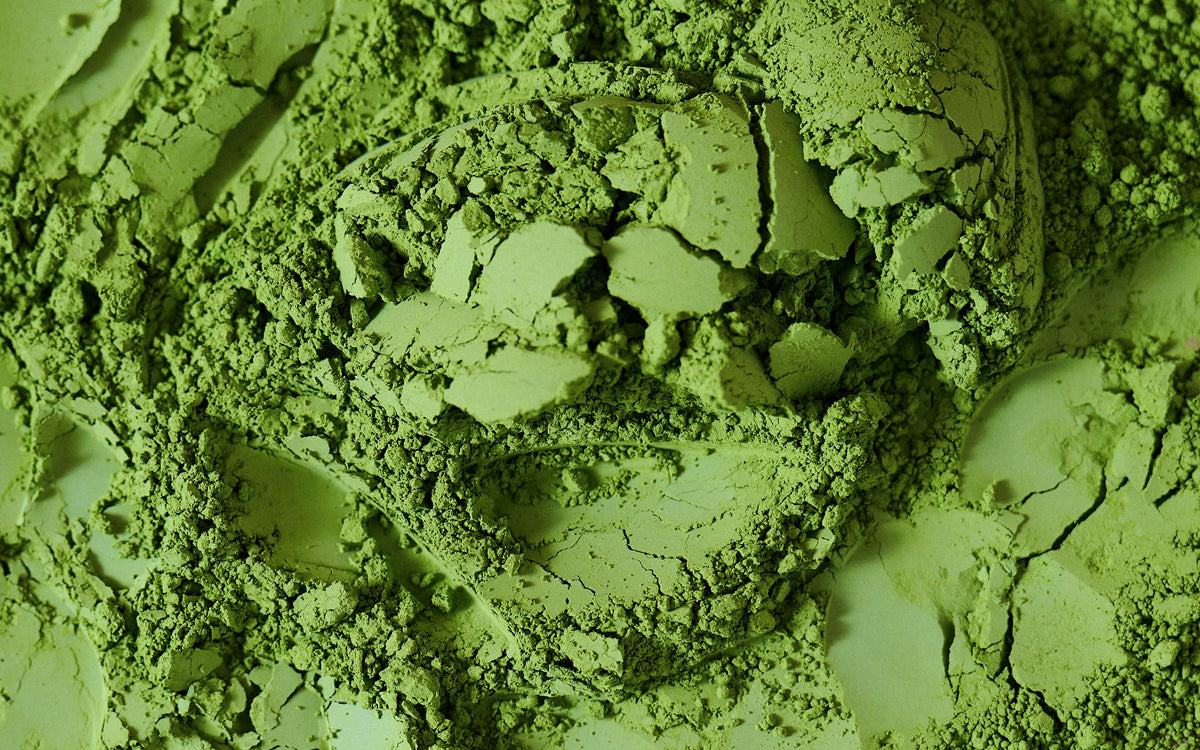
- Ground using a granite stone mill- Granite stone mills are the traditional method for grinding tencha leaves and quality matcha, like OMGTea, is still ground using them. It is this process that that gives it a super fine texture, a similar consistency to baby powder. However, there are many Matcha products on the market now that are either pulverized by steel balls, or by high-powered blenders, which can completely destroy the integrity, quality, bio-availability (destroying the nutrients) and flavour of your Matcha.
69% prefer steady energy over a strong caffeine kick
The key difference between matcha and coffee is the naturally occurring amino acid L-theanine. L-theanine is found in abundance in quality matcha and works alongside caffeine to create a unique combination of calm alertness and focus.
While caffeine stimulates the nervous system, L-theanine promotes alpha brain wave activity associated with a relaxed but alert mental state. This combination is one of the reasons Buddhist monks traditionally drank matcha during long periods of meditation
66% enjoy the ritual of preparing a drink
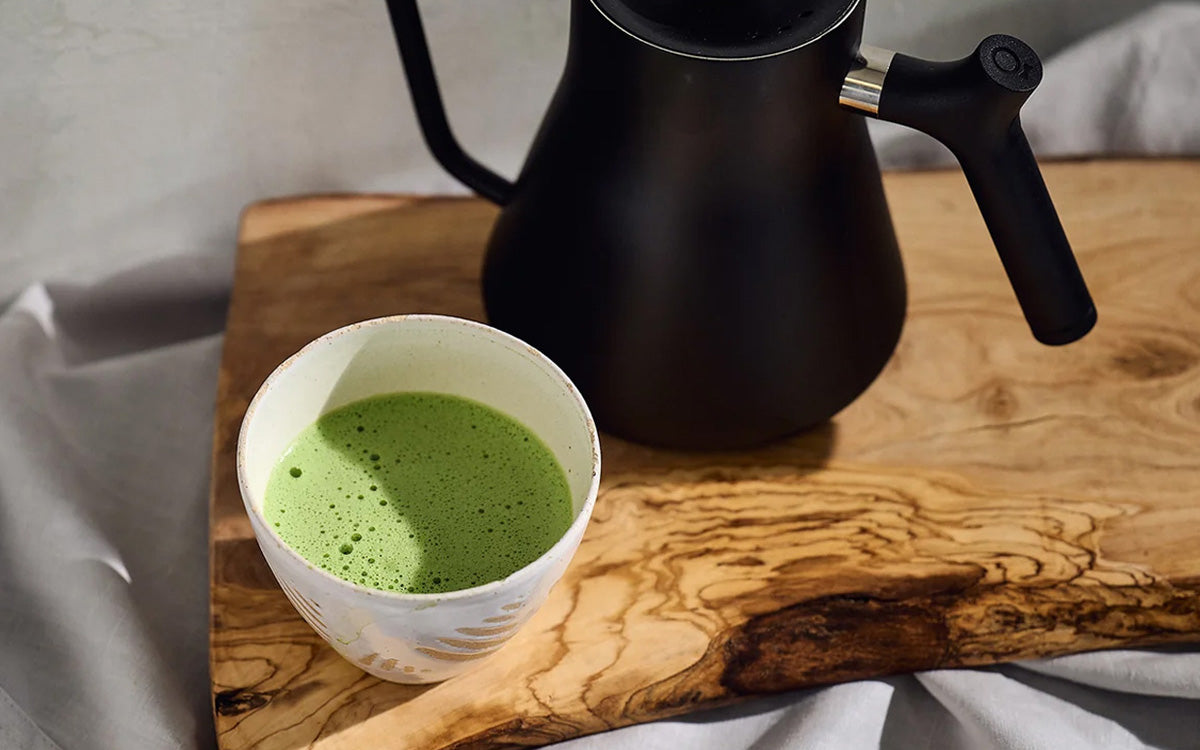
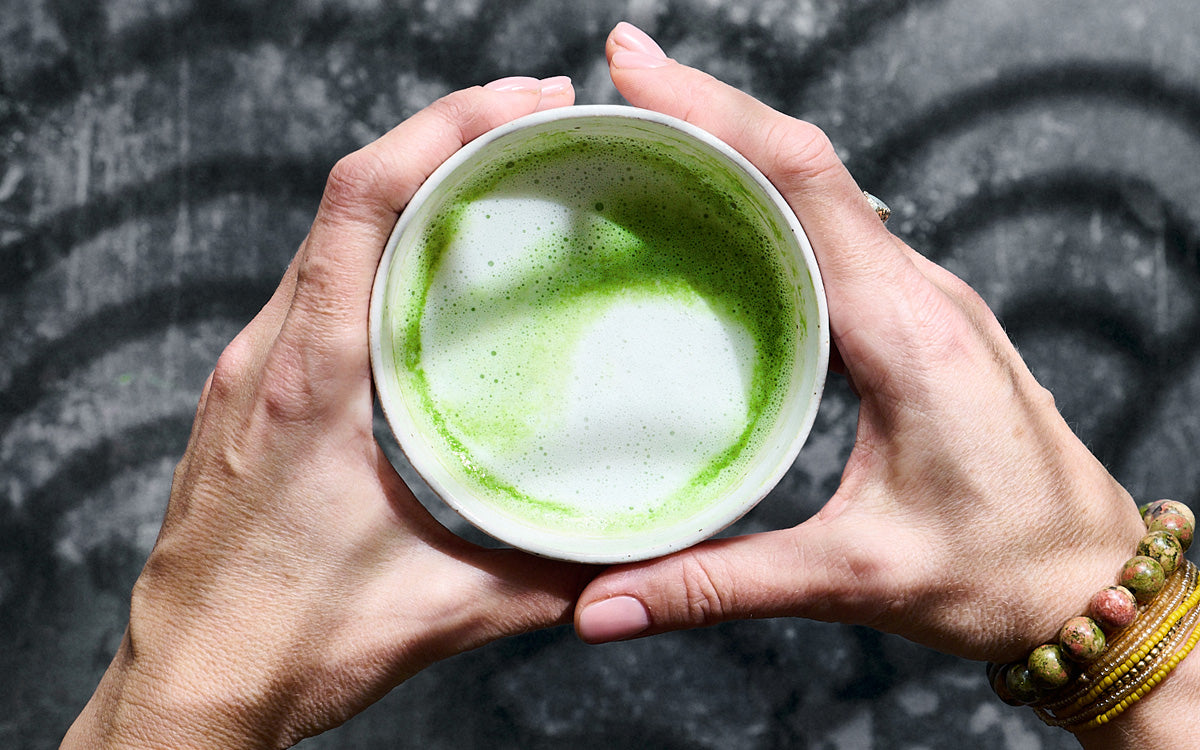
For centuries, matcha has been prepared as part of the Japanese tea ceremony, a practice rooted in mindfulness and taking time to be present. While most of us aren't performing a formal tea ceremony at home, the simple act of whisking a bowl of matcha still offers a small moment to slow down in the midst of a busy day.
The Bigger Picture
Perhaps most interestingly, these insights came from a room full of coffee lovers. Matcha is now a category of its own and becoming a drink people genuinely value for its quality, ritual and unique benefits.
As long-time matcha lovers, we're delighted to see the tradition and wellness benefits of matcha recognised by a greater group of people.