




What is Matcha Tea?
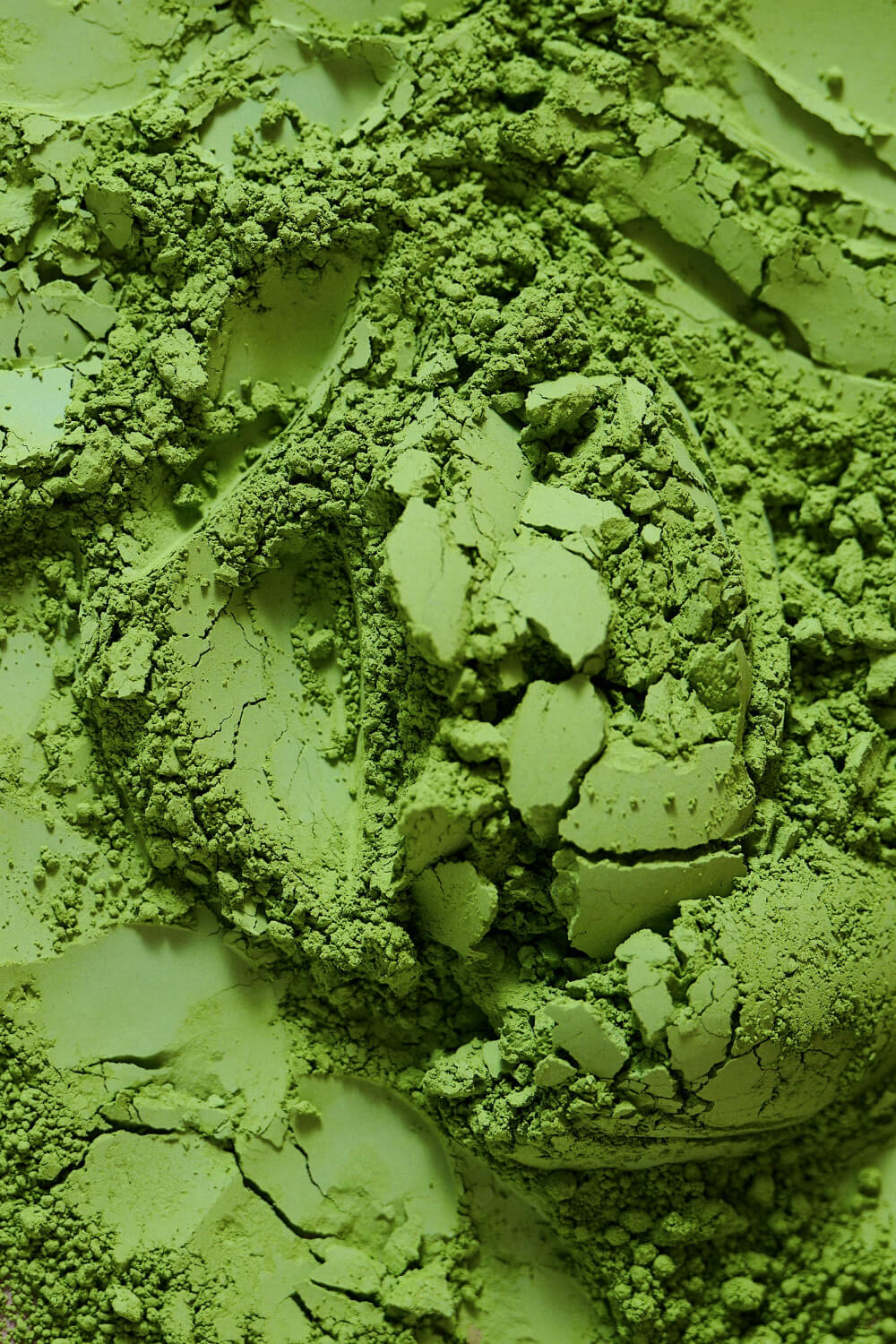
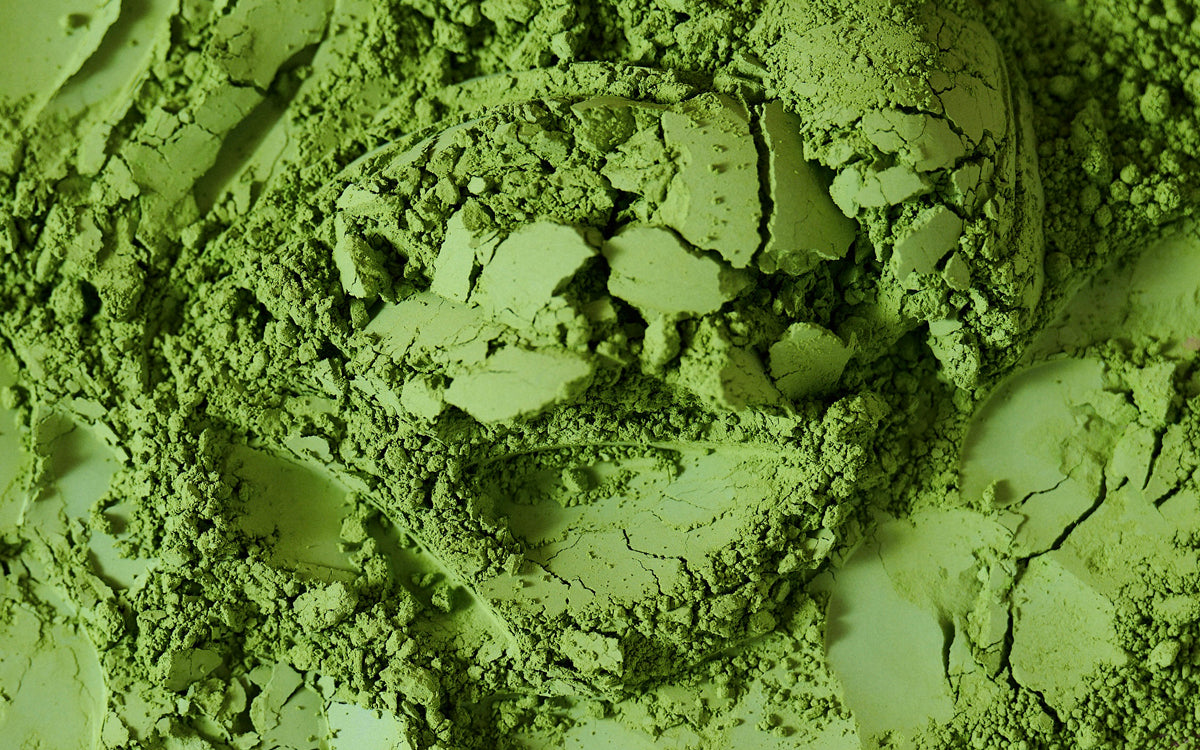
Matcha is a fine, bright green powder made from shade-grown tea leaves that are steamed, dried and ground in granite stone mills. Rather than steeping the leaves and throwing them away, you whisk matcha into water and drink the whole leaf. Authentic matcha comes from Japan and can be considered as the champagne of green tea.


Where does matcha come from?
Powdered tea reached Japan from China around the 12th century, brought by Buddhist monks, including the Zen monk Eisai, who helped introduce and popularise Zen Buddhism in Japan. Tea became an important part of monastic life, with its preparation and drinking incorporated into the monks' daily routines and meditation practices. It was also embraced by the samurai, becoming part of their culture and traditions.
Over time, the Japanese developed their own methods of cultivating and preparing tea. One of the most significant innovations was shading the tea plants before harvest, a technique that produces the distinctive vibrant green colour and flavour associated with matcha today. The word matcha means “powdered tea” in Japanese, and the Japanese tea ceremony evolved around its preparation and appreciation. Today, authentic matcha is still produced in Japan, in regions including Uji, Nishio and Kagoshima.
Our matcha is grown in Kagoshima, and you can read about it in how matcha is made.

How is matcha different from green tea?
Matcha and other green teas come from the same plant, so the differences come from how it is grown and prepared:
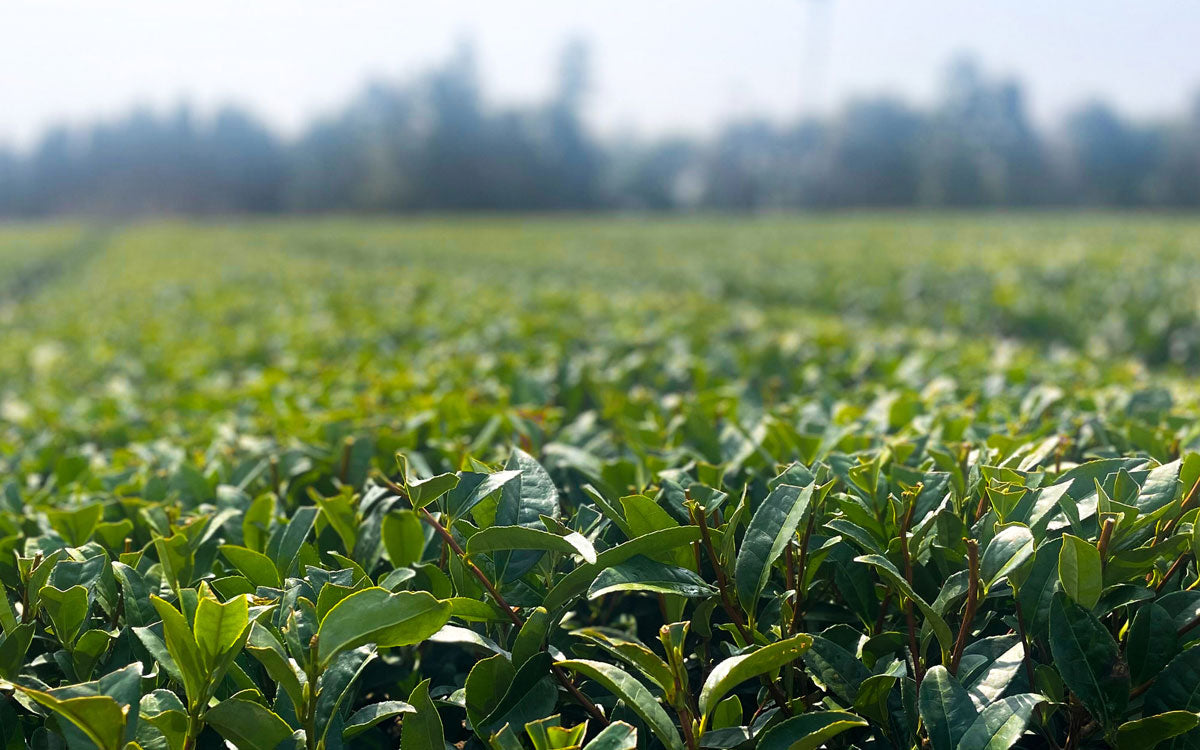
Shade-grown. Matcha plants are shaded for roughly three to four weeks before harvest. This raises chlorophyll, which gives the vivid green colour, and L-theanine, which contributes to umami and sweetness flavour profiles.
Tencha only. After steaming and drying, stems and veins are removed, leaving only the soft leaf material, known as tencha.
Stone-ground. Tencha is ground slowly into a fine powder, rather than rolled or left as whole leaves.
Whole leaf. With a typical green tea infusion, the leaves are discarded. With matcha, the powdered leaf is suspended in water and you drink all of it.

What does matcha taste like?
Good matcha is smooth and fresh, with a gentle sweetness, a savoury umami depth and little bitterness. Flavour varies with harvest and grade: first harvest matcha tends to be sweeter and silkier, while blends that include later harvest leaves are bolder and hold up better in lattes. Our matcha grade guide explains the difference.
Does matcha contain caffeine?
Yes. Matcha contains caffeine, along with the amino acid L-theanine, which occurs naturally in tea. As a guide, a typical serving of our matcha contains around 34mg of caffeine, compared with roughly 80–100mg in a cup of coffee (per 225ml cup). See our FAQs for more on caffeine, L-theanine and pregnancy.

How do you drink matcha?
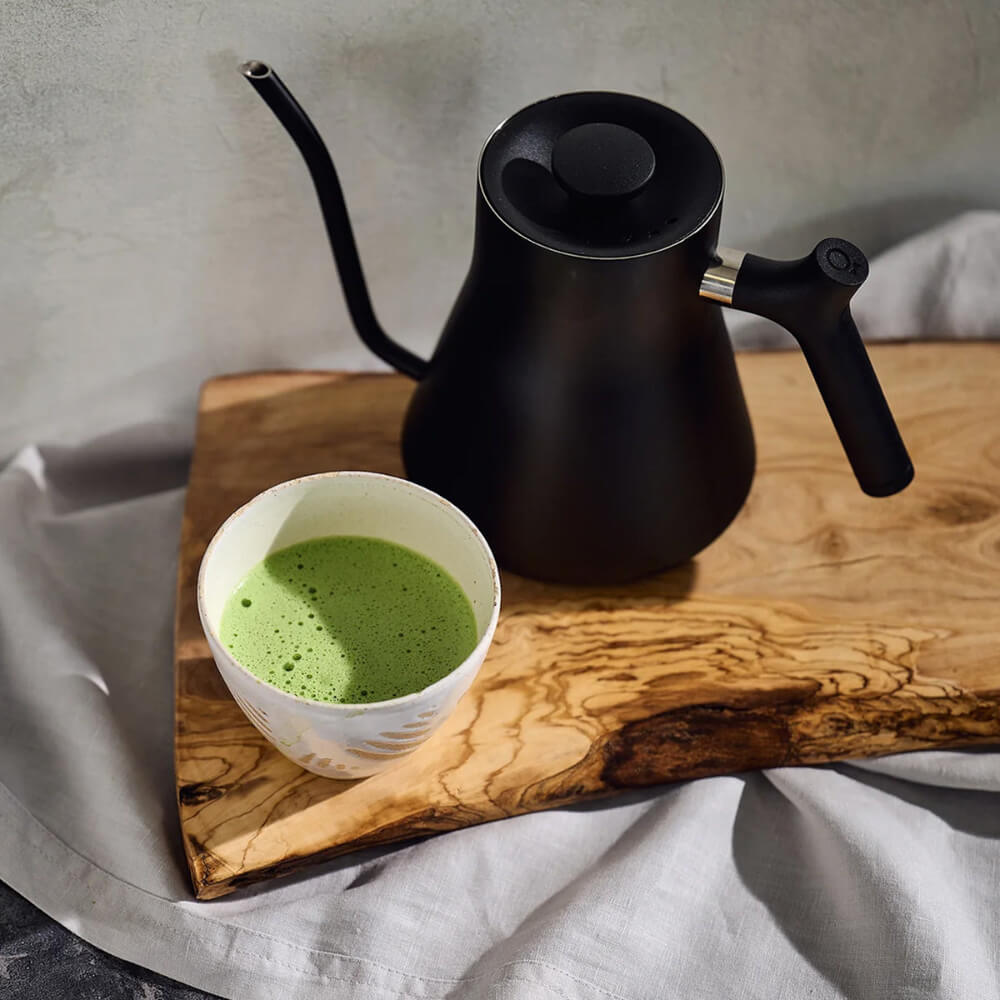
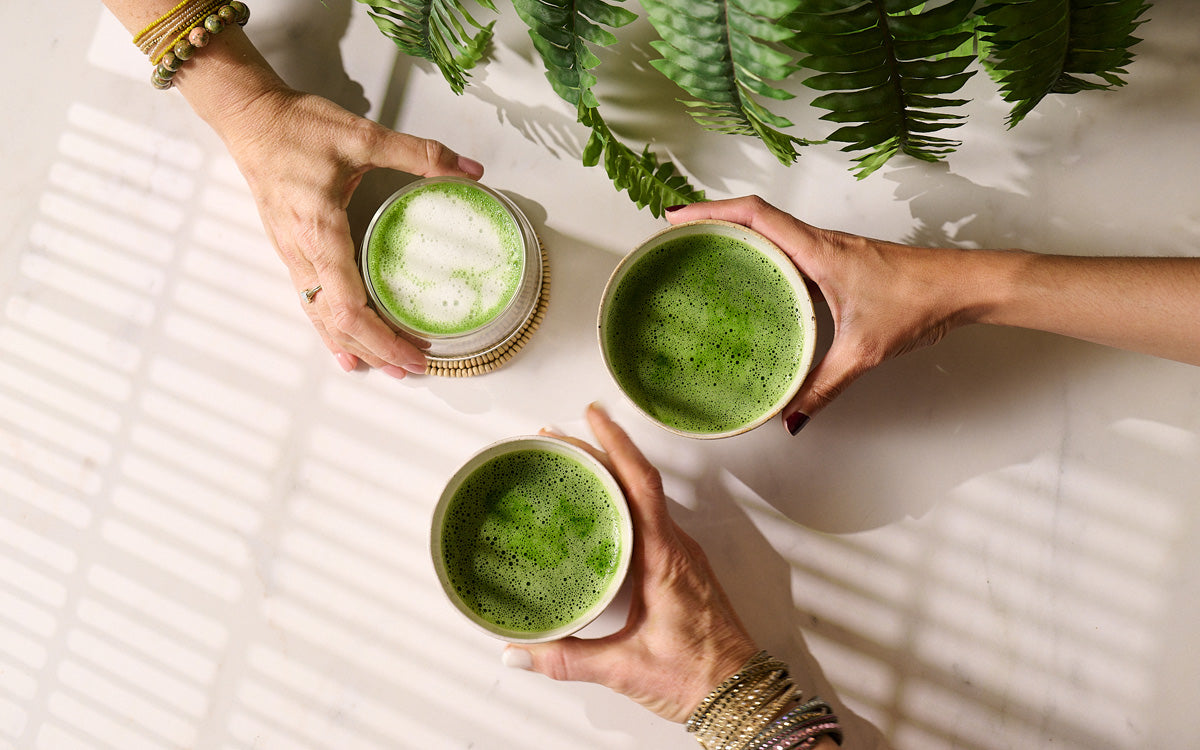
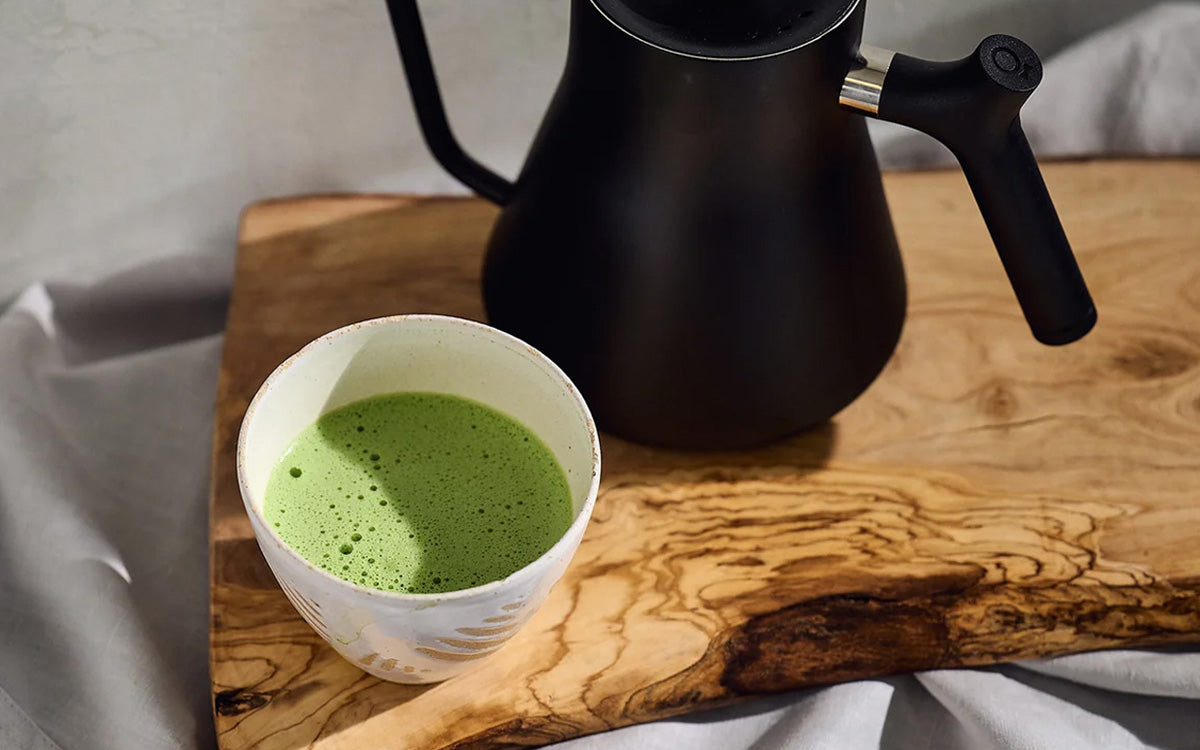
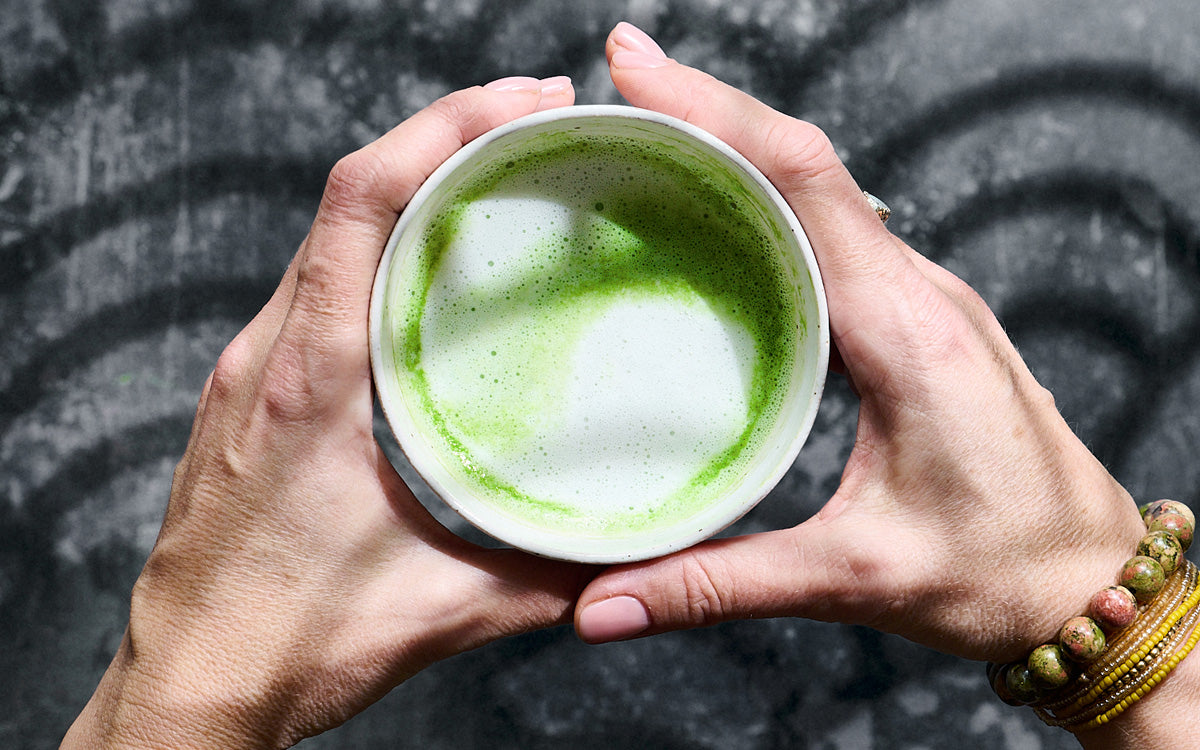
Usucha (thin tea): matcha whisked with hot water to a light froth, the everyday way to drink it in Japan.
Koicha (thick tea): a richer, thicker preparation made with more matcha and less water, best with our top grades.
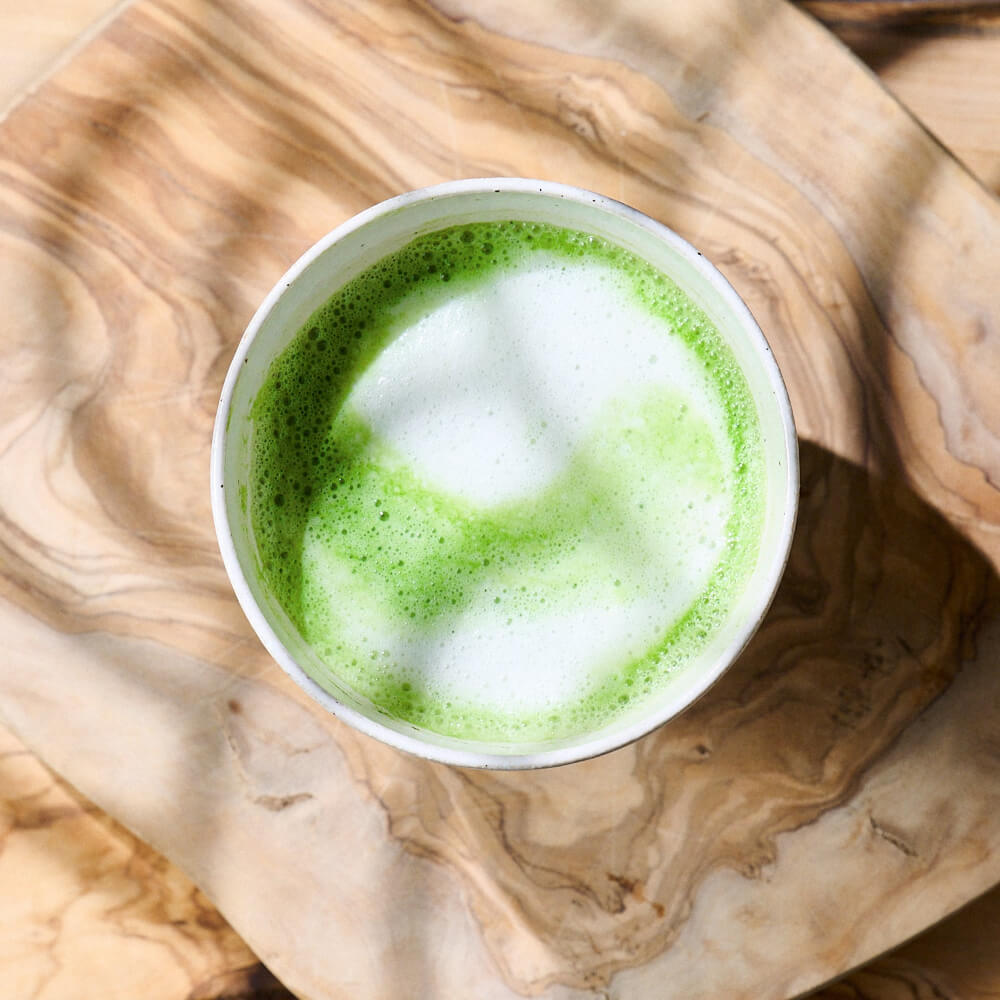
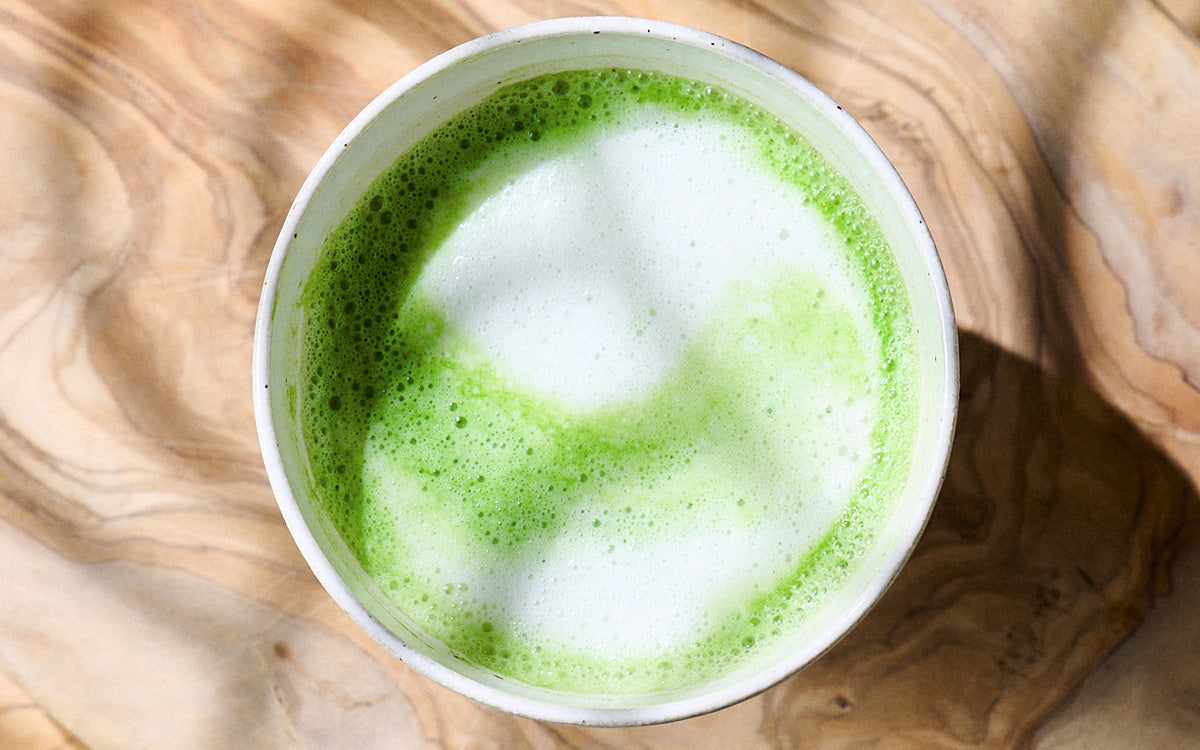
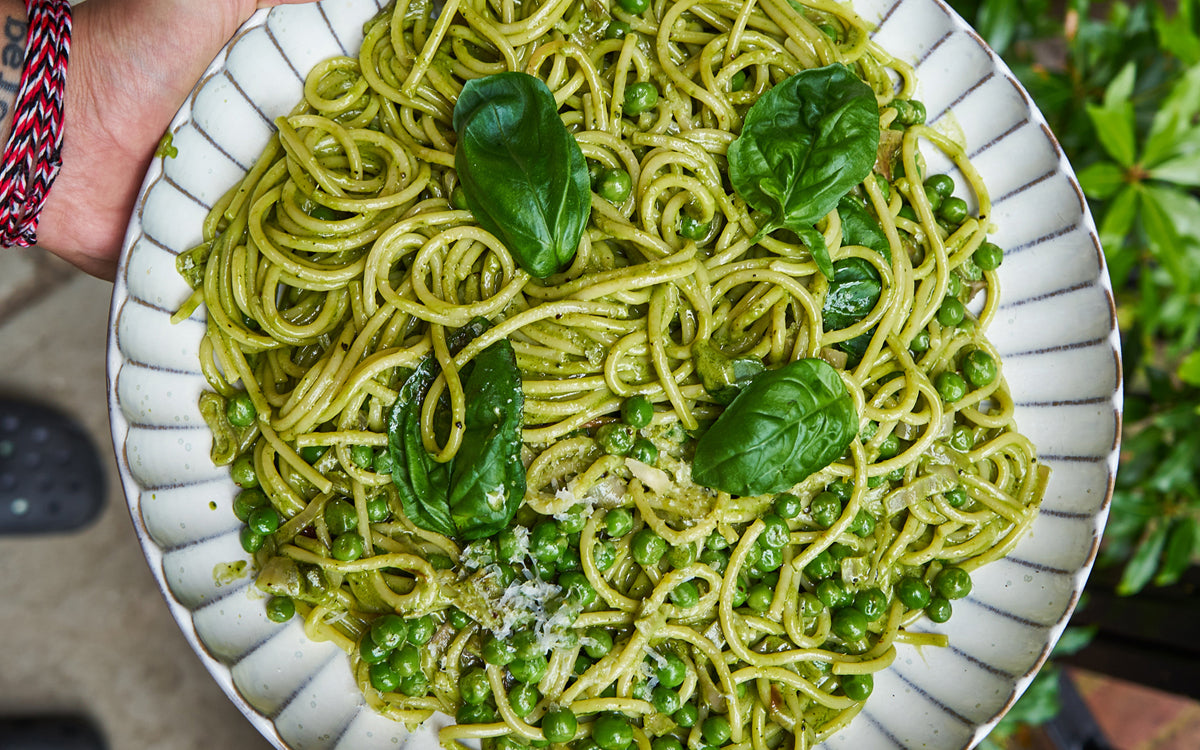
Lattes and recipes: matcha with milk, or in smoothies and baking. A bolder grade works best.
New to it? Start with how to make the perfect cup of matcha or how to make the perfect matcha latte.

What should I look for when buying matcha?
- Grown and produced in Japan, with the region named
- Shade-grown and stone-ground
- A vibrant, fresh green colour and a very fine, silky texture
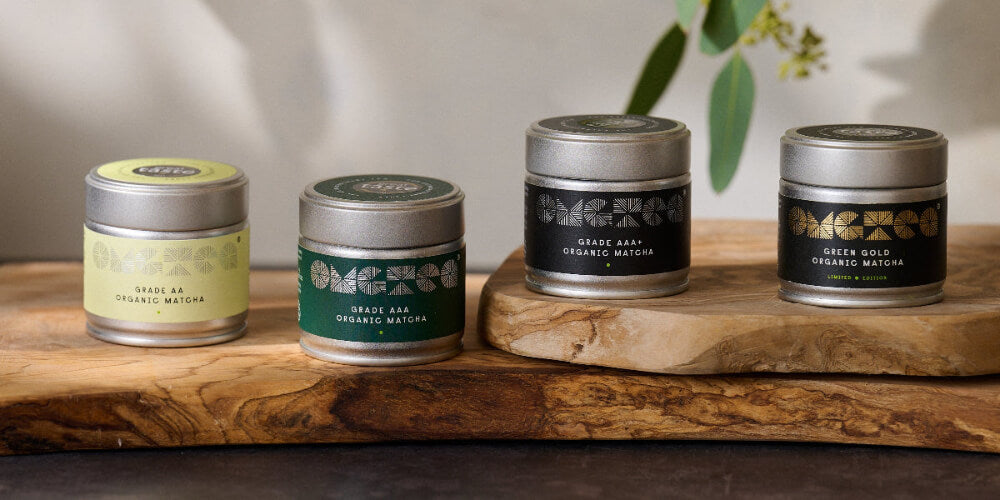
- Certified organic, if that matters to you. All OMGTea matcha is certified organic by the Soil Association
- A clear explanation of the grade: see our matcha grade guide.