




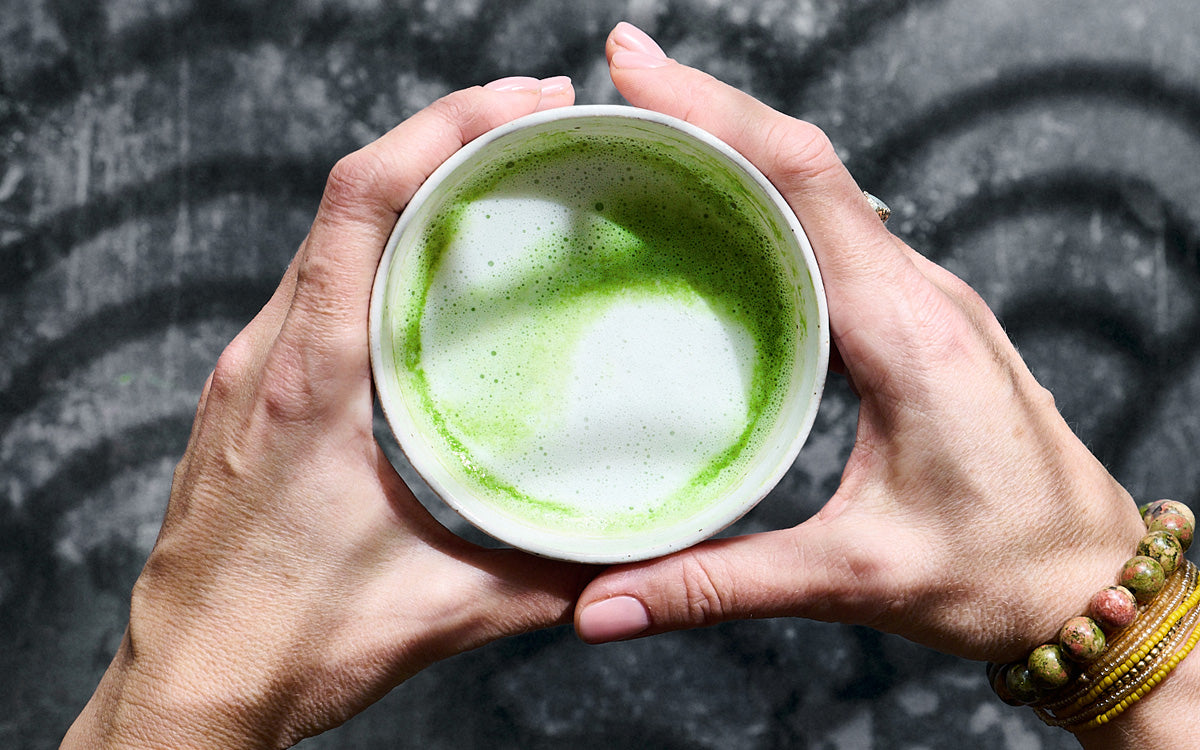


Why Organic Matcha Matters
September is Organic Month, making it the perfect time to explore why organic matcha is worth choosing. Organic farming is about more than avoiding synthetic chemicals. It supports biodiversity, improves soil health, and works in harmony with nature to create a more sustainable future.
When it comes to tea, choosing organic matcha is particularly important because you're consuming the entire tea leaf, not simply steeping it and discarding it. Every sip reflects the quality of the environment in which it was grown.
Why Choose Organic Matcha?
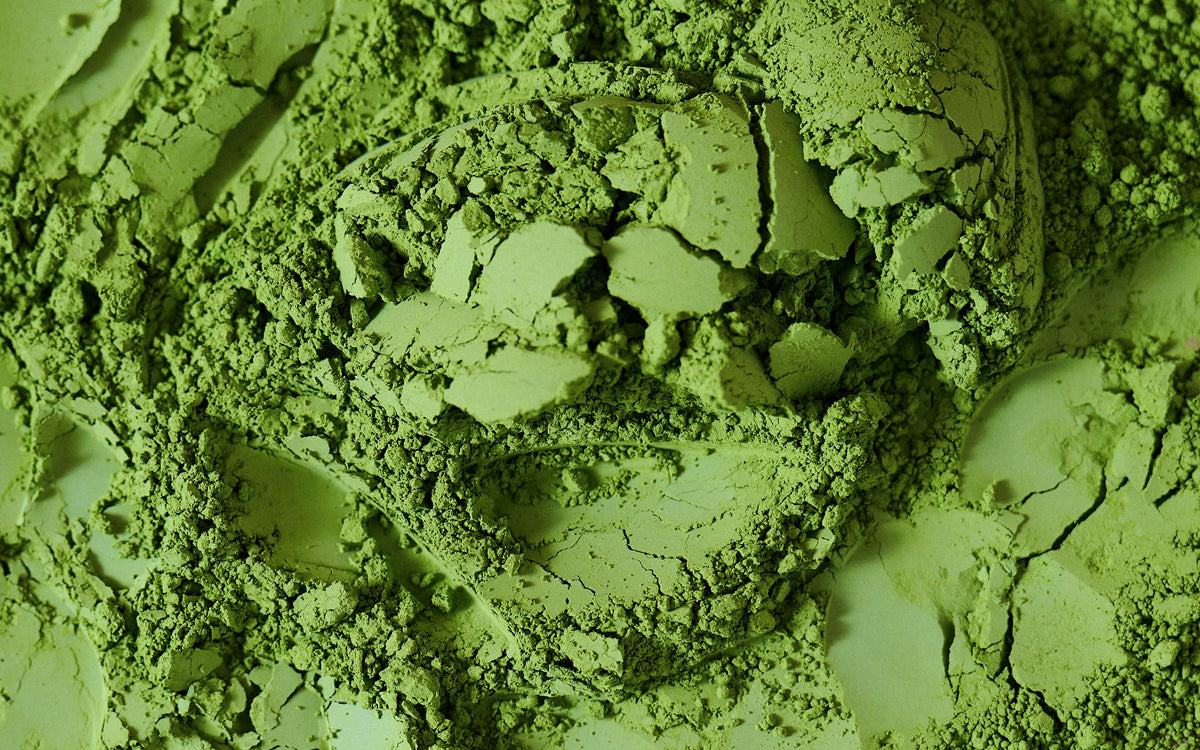
Unlike traditional green tea, matcha is made by stone-grinding whole tea leaves into a fine powder. Because the entire leaf is consumed, everything on that leaf becomes part of your daily ritual.
Choosing organic matcha helps ensure you're enjoying tea grown without synthetic pesticides, herbicides, or chemical fertilisers. It also supports farming methods that prioritise soil health, biodiversity, and long-term sustainability.
At OMGTea, every product we sell is 100% certified organic. We've always believed that exceptional matcha should be grown with respect for both people and the planet.
Where Our Organic Matcha Comes From
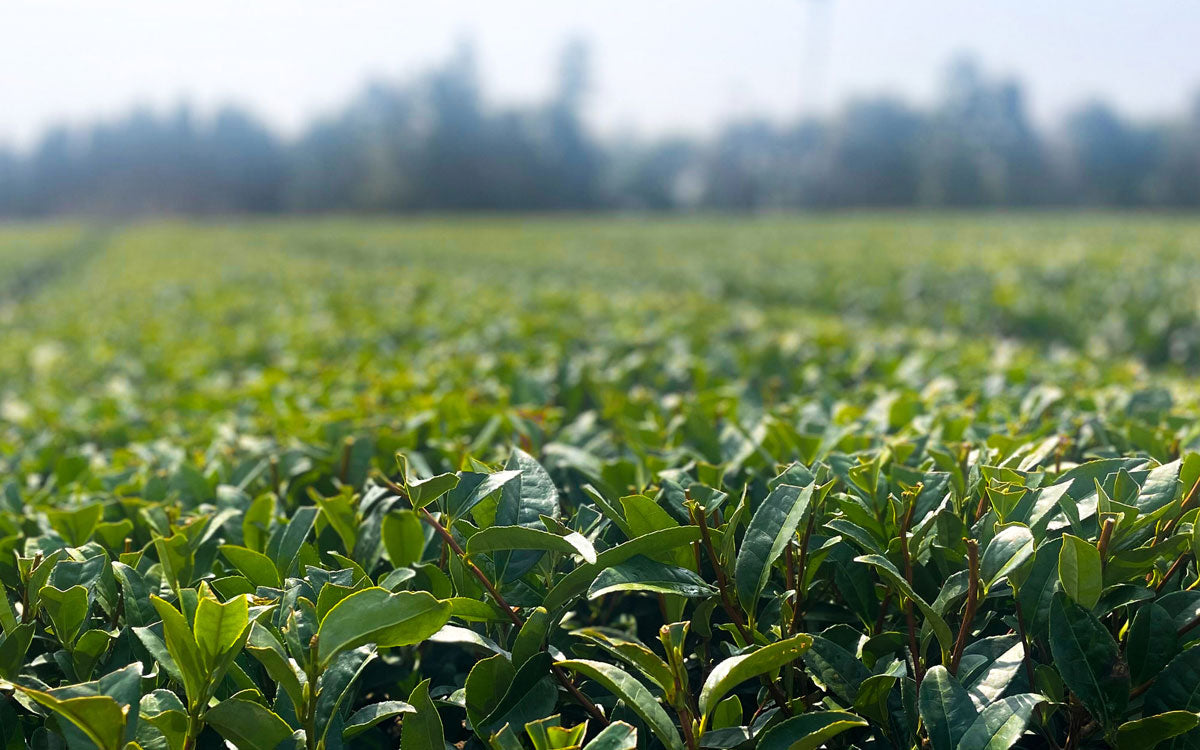
Our organic matcha is sourced from Kagoshima, one of Japan's most celebrated organic tea-growing regions. Known for its mineral-rich volcanic soils and favourable climate, Kagoshima provides ideal conditions for producing premium organic tea.
Farmer Spotlight: Toshimi Nishi
 Katherine Swift, Founder of OMGTea, with Nishi-san at his farm in Kagoshima.
Among our trusted farming partners is the Nishi family in Kagoshima, Japan. Led by third-generation tea farmer Toshimi Nishi, the family farms on the fertile volcanic slopes of Kirishima Mountain, where healthy soils are at the heart of every harvest.
One of the most fascinating aspects of their work is their dedication to soil regeneration.
A Long-Term Commitment to Soil Health
The family creates natural compost using shiitake mushroom logs, bamboo, mountain soil, and other organic materials. This compost is left to mature for up to three years before being returned to the tea fields.
This patient, regenerative approach helps maintain soil fertility naturally, supporting healthy tea plants without synthetic fertilisers. The result is high-quality organic matcha grown in a way that protects the surrounding ecosystem.
Organic Matcha and Regenerative Farming
Organic certification is an important standard, but true sustainability goes beyond certification alone.
By focusing on soil regeneration, biodiversity, and natural growing methods, farmers like Toshimi Nishi are helping to create a more resilient future for tea cultivation. Healthy soil produces healthier plants, which in turn produce better-tasting matcha.
Every cup of organic matcha reflects years of careful stewardship, from the volcanic fields of Kagoshima to your morning cup.
Organic Matcha: More Than a Certification
Choosing organic matcha means supporting farming practices that care for the land, protect biodiversity, and prioritise long-term sustainability.
At OMGTea, we're proud to partner with growers who share our commitment to quality and environmental responsibility. From farm to cup, every bowl of matcha tells a story of craftsmanship, care, and respect for nature.
Ready to experience the difference? Shop our 100% organic matcha collection and celebrate Organic Month with us.